AI can build the campaign. Knowing whether it is right is still the job.
Every element of a campaign can now be built in an afternoon. Judging whether it is right for the people it is meant for remains human work.
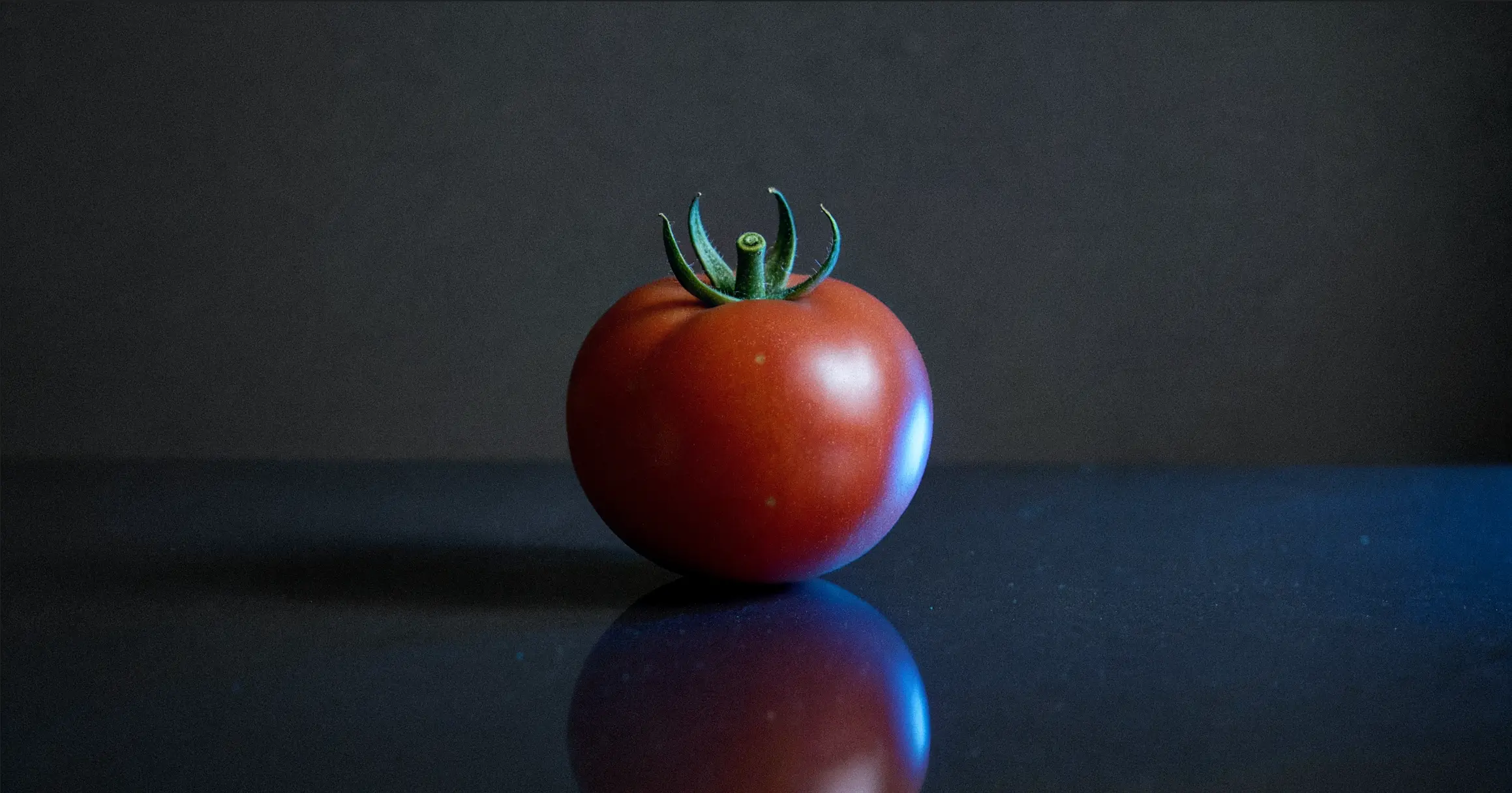
The tomato test
The British humorist Miles Kington had a line about tomatoes. Knowledge, he said, is knowing that a tomato is a fruit. Wisdom is keeping it out of the fruit salad.
It is the best description I know of what AI is doing to marketing. The knowledge half of the job has become very cheap.
The fruit is cheap now
I use AI to build campaigns. Give it a decent brief and it returns an audience definition, a messaging framework, ad variants, an email sequence and a landing page, all before lunch. Most of it is competent, and some of it is better than a tired team would manage on a Friday afternoon.
That does not worry me, and I see no point in pretending the work is worse than it is. The machine knows the tomato is a fruit. Often it knows the salad rule too: ask whether a line is too pushy and it will usually give a sensible answer.
So this is not a piece about what AI cannot do. That list gets shorter every few months.
The job that is left
What is left is the moment when everything is built and somebody has to decide whether it is right.
Here is the marketing version of the tomato. The machine knows that urgency lifts response, so it writes "last chance" into the subject line. Whether you should say that to a buyer who has spent six months deciding whether to trust you is a different kind of question.
Right is a strong word in marketing, though. You rarely know a campaign is right before it meets the market, and anyone who claims otherwise is selling something. What you can judge is direction. Does it sound like us? Would it survive being read aloud to a customer? Is it aimed at the problem people actually have?
Direction is the judgement. The market supplies the rest.
It is judgement about people
Almost all of that judgement is about people. I do not mean people in general, because the machine is good at people in general. It has read more of us than any of us ever will.
I mean particular people. There is the buyer who would find that subject line patronising. There is the sales team, who will quietly ignore a campaign that does not sound like the conversations they are having.
There is the customer who said something on a call that never made it into a brief. And there is the brand, with what it has earned the right to say, which is always a little less than the copy would like.
None of this is in the prompt. Some of it could be, and the more of it I write down, the better the output gets. But a good deal of what a marketer knows about people was never written anywhere. It comes from more than twenty years of watching what people do after they have told you what they will do.
So when I say humans are better at this, I do not mean cleverer. I mean closer. We are in the room, and the machine only knows what we remembered to tell it.
Back to the salad
My worry is less that AI takes this judgement away than that we stop using it. The work arrives looking finished, and finished-looking work is very easy to approve.
Judgement is a habit, and habits lapse. If the draft, the revision and the final check all come from the same machine, nobody has asked whether it is right for the people receiving it.
So before anything goes out, someone who knows the guests should taste the salad. Grammar can look after itself. The question that still belongs to us is simpler: is this right for them?
The machine can hand me a flawless recipe. It is still my table, and they are still my guests.
Disclosure: European Sovereign Infrastructure is editorially independent. No source cited in this article had sight of the copy before publication.